

As a 100% introverted INFP-A who’s navigated the entrepreneurial path for over three years now, I’ve heard every variation of “INFPs can’t succeed in business.”
People told me I was too sensitive. Too idealistic. Too stuck in my head to handle the brutal realities of making money.
Here’s what nobody tells you: they’re both right and completely wrong.
After spending countless hours analyzing my Fi-Ne-Si-Te cognitive function stack and watching my business grow (slowly, painfully, but consistently), I’ve learned something critical.
INFPs don’t just survive entrepreneurship. When we play to our actual strengths instead of forcing ourselves into the “hustle bro” mold, we build businesses that matter.
TL;DR: The INFP Entrepreneur Truth
Yes, INFPs can absolutely build successful businesses. However, success looks different for us. We won’t become the next loud, aggressive sales-driven entrepreneur you see on social media. Instead, we excel at purpose-driven business, creative entrepreneurship, and solopreneurship where our deep empathy and values-based leadership actually drive results.
Our biggest advantages: Deep emotional intelligence, creative problem solving through our Ne function, genuine connection with customers, and an intuitive understanding of what people actually need (not just want).
Our biggest challenges: Taking criticism personally (thanks, dominant Fi), struggling with structured planning and organization (inferior Te), and getting paralyzed by too many ideas instead of executing on one.
The key: Build a business aligned with your core values. If you don’t believe in what you’re selling, your INFP brain will sabotage you every single time. That’s not a weakness. That’s your superpower forcing you toward work that actually matters.
Why the Myers-Briggs Type Indicator Actually Matters for Business
Let me get real for a second.
When I first learned about the MBTI and Carl Jung’s cognitive functions, I thought it was personality horoscope garbage.
Then I spent two years wondering why every “proven business strategy” felt like trying to write with my non-dominant hand.
The INFP personality type operates through a specific cognitive function stack: Introverted Feeling (Fi), Extraverted Intuition (Ne), Introverted Sensing (Si), and Extraverted Thinking (Te).
This isn’t just theory. This is the actual operating system running your brain when you’re making business decisions.
Your dominant Fi function means you filter every business decision through your internal value system first.
Consequently, you can’t fake passion for a product you don’t believe in.
You physically cannot sustain motivation for work that conflicts with your core beliefs.
This is why INFPs burn out fast in corporate environments but can work 14-hour days on projects they care about without feeling drained.
Your auxiliary Ne function gives you this wild ability to see patterns and possibilities others miss. You naturally understand what people need before they articulate it.
In my experience, this translates into incredible product development and content creation because you’re solving real problems from creative angles.
Here’s the problem: Your inferior Te function makes organization, systematic planning, and logical execution feel like walking through concrete.
I’ve started dozens of projects and abandoned them at 80% completion because the structured follow-through felt impossible.
The Truth About INFP Strengths and Weaknesses in Business
What Makes INFP Entrepreneurs Dangerous (in a Good Way)
1. You See What Others Miss
When I’m working on a new offer or piece of content, my Ne function automatically explores 20 different angles before most people finish their first draft. This isn’t ADHD (though plenty of INFPs have that too). This is your brain’s natural state.
You connect disparate ideas into cohesive solutions that feel obvious in hindsight but revolutionary when you present them.
In business terms, this means you spot market gaps instinctively. You understand the emotional undercurrent of what your audience actually wants.
This is why INFPs often excel at personal branding, content creation, and any form of creative entrepreneurship where understanding human psychology drives results.
2. Your Empathy Isn’t Weakness. It’s Market Research.
I used to apologize for how deeply I felt customer pain points.
Then I realized something: my ability to emotionally resonate with my audience’s struggles means I build products and services that actually solve their problems instead of what I think they need.
Your Fi-dominated emotional intelligence means you genuinely care about customer outcomes. Not in a manipulative “use pain points to close the sale” way.
You legitimately want to help. Paradoxically, this makes your marketing more effective because people sense the authenticity immediately.
Studies on INFP personality suggest we naturally create values-based leadership environments. In practice, this means customers become fans and fans become advocates without you running elaborate referral programs.
3. Independence Is Your Natural State
INFPs crave freedom more than almost any other personality type. The nine-to-five grind feels like slow death because you’re constantly adapting to someone else’s values and priorities.
Entrepreneurship gives you what you’ve always needed: complete autonomy over your work, schedule, and creative direction.
After two years in any job, I’d start feeling replaceable and anxious regardless of performance.
That wasn’t imposter syndrome.
That was my INFP brain screaming “you’re not building something that reflects your authentic self.” Freelancing, solopreneurship, and small business ownership solve this completely.
Where INFPs Self-Sabotage (And How I’ve Watched Myself Do It)
1. Criticism Cuts Deeper Than It Should
I’ll be honest: negative feedback about my work still feels like someone criticized my soul. Even when the feedback is constructive and delivered kindly. Even when I intellectually know they’re right.
This is the dark side of Fi dominance. Your work is an extension of your values and identity. Therefore, criticism of your business feels like rejection of who you are as a person.
I’ve watched talented INFP entrepreneurs quit after one harsh review when extroverted personality types would shrug it off and keep going.
The solution isn’t to “toughen up.” Research says that doesn’t work for highly sensitive persons (HSPs). Instead, I’ve learned to build a buffer between feedback and action. I let criticism sit for 24 hours before responding. Sometimes it’s valuable. Sometimes it’s projection from someone else’s issues. Separation helps me extract the useful parts without the emotional demolition.
2. Analysis Paralysis Kills More INFP Businesses Than Competition
My Ne function gives me 47 business ideas before breakfast. By noon, I’ve outlined three new products and explored five different niches. By evening, I’ve started nothing because I’m paralyzed choosing which idea has the most “meaning.”
INFPs get stuck in the explore phase. We research endlessly. We refine our vision until it’s perfect in our heads. Meanwhile, other entrepreneurs launch imperfect products and iterate based on real feedback.
I spent eight months “getting ready” to launch my first offer. In retrospect, I could have launched in six weeks and learned more from actual customers than from my extensive planning.
My inferior Te function makes structured execution uncomfortable, so I procrastinated with more comfortable activities: brainstorming, researching, and perfecting the “vision.”
Time management for INFPs looks different. We can’t work in rigid 9-to-5 blocks. However, we can work intensively when inspired. I’ve learned to ride my natural energy cycles instead of fighting them. When inspiration hits, I create three weeks of content in two days. When it doesn’t, I handle administrative tasks that require less creative energy.
3. You’ll Sabotage Yourself If the Mission Isn’t Right
Here’s what nobody tells INFP entrepreneurs: if you don’t believe in your business at a core values level, you will unconsciously destroy it.
I’ve tried building “profitable” businesses in niches that made logical sense but didn’t align with my values. Every single time, I’d lose motivation, miss deadlines, and eventually abandon the project.
This wasn’t laziness. This was my Fi function refusing to invest energy in something that felt inauthentic.
Your INFP brain has a built-in authenticity detector. You can’t override it with willpower. This means you must choose business ideas that genuinely matter to you. Money alone will never sustain your motivation. Purpose-driven business isn’t optional for INFPs. It’s mandatory.
INFP Business Ideas That Actually Work
Based on my research into INFP careers and my own experiences, certain business models play to our natural cognitive functions better than others:
Creative and Content-Based Businesses:
- Freelance writing and copywriting (your Ne helps you see angles others miss, and you naturally understand emotional triggers)
- Blogging and content creation around topics you’re passionate about
- Graphic design and web design where you solve problems creatively
- Photography that tells stories and captures emotional moments
Purpose-Driven and Helping Businesses:
- Life coaching or career coaching for introverts and other underserved populations
- Therapy or counseling (if properly credentialed, though I’m not a therapist myself)
- Alternative healthcare practices that align with holistic values
- Social entrepreneurship solving problems you deeply care about
Solo and Flexible Work:
- Consulting in your area of expertise where you work with a few deep client relationships
- Online course creation teaching what you’re passionate about
- Etsy or creative product businesses where you make items with personal meaning
- Virtual assistant work serving entrepreneurs whose missions you believe in
The pattern? INFPs thrive in businesses where we control our schedule, work independently, solve problems creatively, and serve a mission we believe in. We struggle in high-pressure sales environments, rigid corporate structures, and businesses where profit is the only metric of success.
How to Build an INFP-Friendly Business System
After three years of trial and error, here’s what actually works:
1. Build Your Values Into Your Business Model (6-8 weeks)
Before you choose a niche or business idea, spend time clarifying your core values. Not what you think should matter. What actually matters to you.
Then filter every business decision through this: does this align with my values or contradict them?
I wasted 18 months building businesses that made logical sense but felt wrong. Once I aligned my work with my actual values (helping introverts and creative entrepreneurs build sustainable businesses without burning out), motivation became automatic.
2. Create Systems for Your Inferior Te Function (2-3 weeks setup, ongoing maintenance)
You’re not going to suddenly become organized and systematic. Stop trying. Instead, build external systems that compensate for your weak Te function:
- Use project management tools (I use Notion) to capture your Ne’s endless ideas without losing track
- Set up automated systems for repetitive tasks (email sequences, social media scheduling, invoicing)
- Hire or partner with someone who enjoys operations and implementation
- Work in sprints when inspired instead of forcing consistent daily output
I tried forcing myself to work 9-to-5 on my business for months. It was miserable and unproductive. Then I started batching content creation when inspiration hit and handling admin tasks during low-energy periods. My output tripled.
3. Protect Your Energy Like Your Business Depends On It (Because It Does)
As an introvert entrepreneur, networking events and constant client calls will drain you fast. Build a business model that honors your need for alone time:
- Limit client-facing hours to specific days or times
- Build asynchronous communication into your service delivery (email, pre-recorded videos, written materials)
- Say no to opportunities that don’t align with your values, even if they’re “good business”
- Schedule recovery time after social or high-energy activities
This isn’t being precious or difficult. This is working with your INFP operating system instead of against it. I learned this after burning out twice trying to be an extroverted networker. Now I limit live client calls to Tuesday and Thursday mornings, and my mental health and business performance both improved dramatically.
4. Find Your People and Let Them Carry You Through the Hard Parts (Ongoing)
INFPs struggle with criticism and setbacks more than most personality types. You need a support system of people who understand your journey:
- Join communities of other introvert entrepreneurs or INFP business owners
- Find a business partner or mastermind group that provides perspective when you’re spiraling
- Hire a coach or mentor who understands values-based leadership and won’t push you toward strategies that feel inauthentic
- Build relationships with customers who become advocates for your mission
I’m not suggesting you need constant hand-holding. I’m suggesting that trying to do this completely alone will amplify your worst INFP tendencies: overthinking, taking criticism personally, and abandoning projects when they get hard.
INFP Success Stories Nobody Talks About
Most INFP success stories in business don’t make headlines because we’re not building billion-dollar startups or disrupting industries.
We’re building sustainable businesses that support the lifestyle we want while doing work that matters.
Here are 5 successful INFP business persons. Note that INFPs are often idealistic, values-driven creative thinkers — so their success often blends business with deep personal mission or creative legacy.
1. Beatrix Potter – Author, Illustrator & Entrepreneur
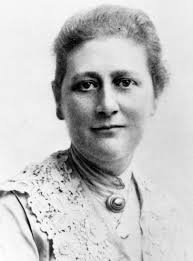
Beatrix Potter is widely considered to have had an INFP personality.
She wasn’t just a beloved author; she innovated character-based merchandising, creating licensed toys, games, and household products based on her Peter Rabbit characters — pioneering practices that major brands now use.
Potter also successfully invested in and managed sheep farms in England, building a diversified business out of her creative work. (Wikipedia)
2. Ingrid Vanderveldt – Businesswoman, Investor & Global Entrepreneur Advocate

Vanderveldt is an American businessperson and investor known for empowering entrepreneurs globally.
She was Dell’s first Entrepreneur in Residence, led major entrepreneurial programs and funds, and founded the Empowering a Billion Women by 2020 movement.
Her work blends business leadership with a mission of social impact — characteristic of INFP value orientation. (Personality type widely cited in entrepreneurial personality resources.) (Wikipedia)
3. Isabel Briggs Myers – Co-Creator of the MBTI

Although not a “business founder” in the traditional corporate sense, Isabel Briggs Myers built one of the most influential personality assessment systems used globally in HR, business, and education.
Her work launched a lasting enterprise that has shaped how organizations understand people — blending deep psychological insight with entrepreneurial initiative.
She identified herself as an INFP. (Wikipedia)
4. Antoine de Saint-Exupéry – Author & Aviation Entrepreneur
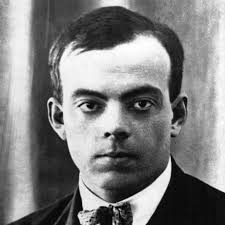
Best known for The Little Prince, Saint-Exupéry was also an aviation pioneer and co-founder of an early air mail service (Aéropostale).
His life combined creative writing with real business and operational challenges in early commercial aviation — a classic example of an INFP using idealism to fuel enterprise.
Personality lists and creative business profiles commonly cite him as INFP. (Medium)
5. (Honorable Mention) Beatrix Potter-Style Creatives Turned Business Leaders
- Jim Henson — Creator of The Muppets and founder of an entertainment business empire blending artistry and commercial success (often typed INFP). (TheCoolist)
- George Lucas — Filmmaker and founder of Lucasfilm, building a massive media and merchandising business (often typed INFP). (TheCoolist)
These figures may not be classic corporate founders, but they show how INFP creativity can evolve into influential business ventures.
Think about the successful INFP entrepreneurs in your field. They’re probably not the loudest voices or the biggest names. They’re the ones with deeply loyal followings who buy everything they create because the mission resonates. They’re the freelancers who charge premium rates because clients trust their judgment and creative vision. They’re the coaches and consultants who transform clients’ lives because they genuinely care about outcomes.
Research on personality types in business shows no MBTI type performs significantly better financially than others.
Success isn’t about your personality type. It’s about working with your natural cognitive functions instead of fighting them.
I’m not making seven figures. I’m not even making six figures yet.
But I’m building a business that aligns with my values, lets me work independently, and actually helps people.
That’s more success than I ever achieved in corporate jobs that paid more but felt hollow.
Your Next Steps (Start Today)
If you’re an INFP considering entrepreneurship, stop waiting to feel ready. You won’t. Your Ne function will always see one more possibility to explore, and your Fi function will always question whether you’re truly aligned. Start anyway.
This week:
- Pick one business idea that genuinely excites you (not the one that seems most profitable)
- Spend 30 minutes clarifying why this matters to you at a values level
- Create one piece of content or reach out to one potential customer
- Notice how it feels. If it energizes you, keep going. If it drains you, pivot.
This month:
- Build a minimum viable offer (the simplest version of your idea that solves a real problem)
- Test it with real people (friends, family, online communities)
- Get feedback and iterate
- Start building systems for the parts your INFP brain struggles with (admin, follow-up, organization)
This year:
- Build sustainable revenue (even if it’s small at first)
- Develop a work rhythm that honors your need for freedom and autonomy
- Create boundaries that protect your energy while serving your customers
- Keep refining the business model until it feels aligned with your authentic self
The Bottom Line for INFP Entrepreneurs
Can INFPs build successful businesses? Absolutely. But you have to define success on your own terms. If success means becoming a aggressive, extroverted sales machine, you’ll fail and hate yourself in the process. If success means building a business that reflects your values, serves people you care about, and gives you the freedom to work in ways that honor your INFP brain, you have every advantage you need.
Your empathy is market research. Your idealism is vision. Your need for authenticity is your brand differentiation. Your creativity is your problem-solving superpower. Your desire for independence is your motivation to push through the hard parts.
The business world doesn’t need more loud, aggressive entrepreneurs. It needs more people who genuinely care about solving problems and serving others. That’s what INFPs bring naturally. Stop trying to be someone else’s version of an entrepreneur. Build the business that only you can build.
I’m not there yet. I’m still figuring this out, three years in.
But I’m further along than I was trying to force myself into conventional business models that felt wrong.
If you’re an INFP reading this and wondering if entrepreneurship is for you, the answer is yes.
Just do it your way.
Read also: